
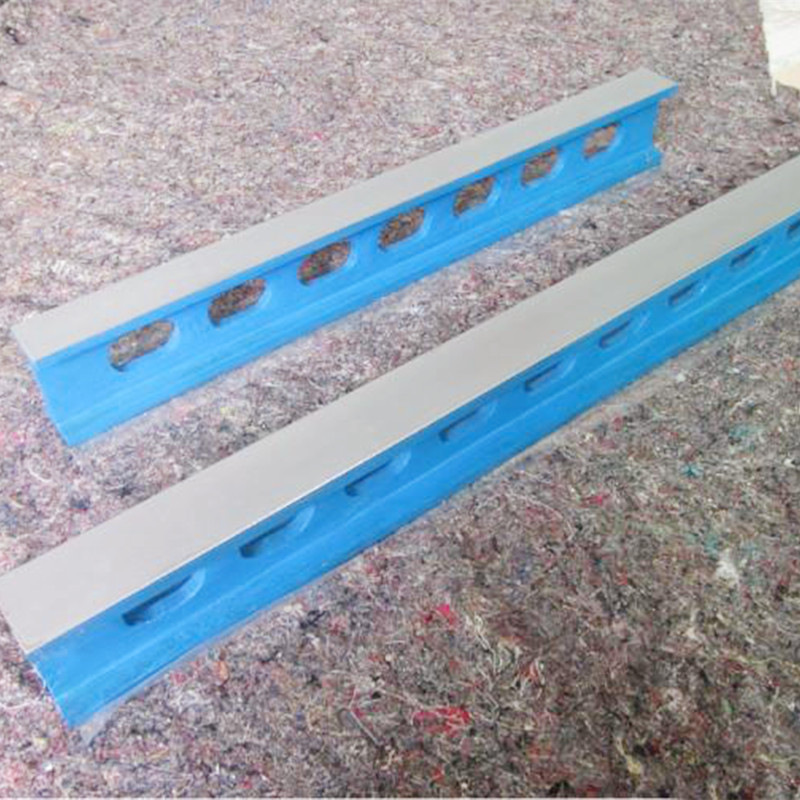
8mm mirror glass price
The Versatility of 48% Butterfly Valves in Modern IndustriesButterfly valves are essential components in various industries, serving as a reliable mechanism for regulating fluid flow. Among the many designs available, the 48% butterfly valve stands out due to its unique functionality and efficiency. This valve type has gained a reputation for its innovative design, allowing for precise control while minimizing space requirements and energy consumption.The butterfly valve operates using a rotating disc that is mounted on a central shaft. When the valve is turned, the disc rotates to either open or close the flow of fluid. The 48% designation refers to the valve's design specification, indicating a 48% opening angle, which is crucial for achieving optimal flow rates and reducing pressure drops within the system. This precise angle provides an excellent balance between performance and control, making it ideal for applications requiring adjustable flow rates.One significant advantage of the 48% butterfly valve is its lightweight construction, which allows for easy installation and maintenance. Made from various materials, including stainless steel and plastic, these valves are corrosion-resistant and suitable for handling different types of fluids, including water, oil, and chemical substances. Their compact design also means they require less space compared to other types of valves, making them an ideal choice for facilities with limited room.In addition to their physical attributes, 48% butterfly valves are noted for their energy efficiency. The streamlined design reduces turbulence and minimizes energy loss during fluid passage, resulting in lower operational costs for industries such as water treatment, oil and gas, and food processing. The rapid closure capability of the valve further contributes to its efficiency, preventing backflow and ensuring systems operate smoothly.Moreover, the versatility of the 48% butterfly valve makes it suitable for various applications, from handling high-viscosity liquids to controlling gas flows in HVAC systems. The valve's reliability and ease of maintenance mean that industries can reduce downtime and extend the life of their equipment.In conclusion, the 48% butterfly valve is a vital component in modern industry, combining efficiency, durability, and versatility. As industries continue to seek solutions that promote sustainability and cost-effectiveness, the role of this innovative valve becomes increasingly significant, making it a preferred choice for fluid control applications worldwide. 48 butterfly valve .
about
8mm mirror glass price
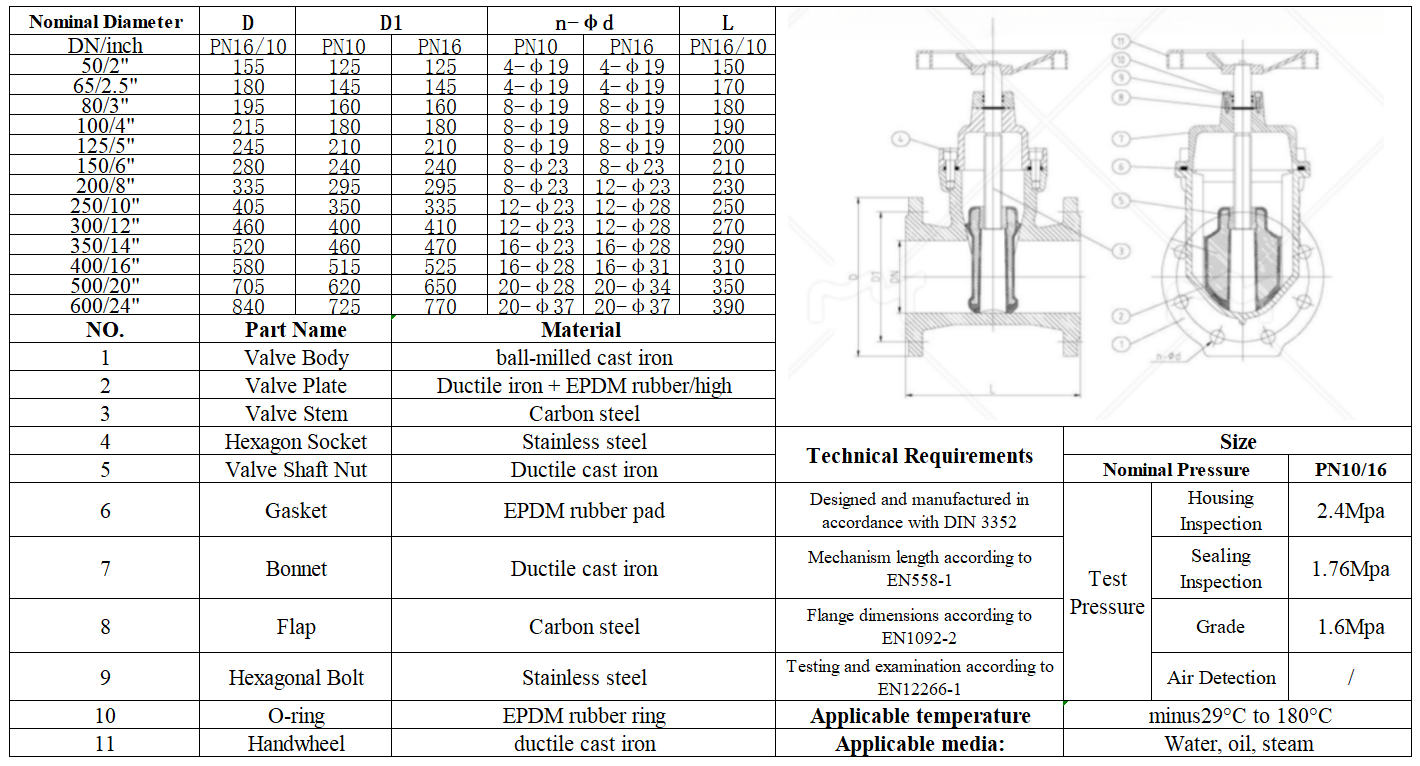
Understanding 3-Way Gate Valves A Comprehensive Overview In various industrial applications, the need for effective fluid control and management is paramount. Among the numerous types of valves used in piping systems, the 3-way gate valve stands out for its unique functionality and versatility. This article aims to provide a comprehensive understanding of the 3-way gate valve, its applications, advantages, and operational principles. What is a 3-Way Gate Valve? A 3-way gate valve is a type of valve that enables the control of fluid flow in three different directions. It features a robust gate mechanism, which is designed to open and close to either allow or block the flow of liquids or gases. Typically constructed from materials like stainless steel, brass, or cast iron, these valves are designed to withstand high pressures and temperatures, making them suitable for demanding industrial environments. Design and Structure The design of a 3-way gate valve includes three ports one inlet and two outlets, or vice versa, depending on the fluid flow requirements. The valve operates by either lifting or lowering a gate that fits snugly within the valve body. This mechanism allows for a straight flow path when the valve is fully opened, minimizing turbulence and pressure loss. In contrast to other valve types, the 3-way design is particularly beneficial in applications requiring the redirection of flow or the mixing of different fluid streams. Applications 3-way gate valves find their applications in a variety of areas, including 1. Water Treatment Facilities They are often used to control flow directions in treatment plants, ensuring optimal water quality and distribution. 2. Oil and Gas Operations In the extraction and transportation of hydrocarbons, these valves manage the flow between different pipelines and storage tanks. 3 . Chemical Processing The ability to control and redirect aggressive chemicals safely makes 3-way gate valves essential in chemical manufacturing settings. 3 way gate valve 4. HVAC Systems In heating, ventilation, and air conditioning systems, they help regulate and redirect airflow efficiently. Advantages of 3-Way Gate Valves The implementation of a 3-way gate valve in industrial systems offers a multitude of advantages 1. Versatility The ability to direct flow through multiple channels allows for greater flexibility in system design. 2. Reduced Pressure Drops When fully opened, the gate mechanism minimizes resistance to flow, resulting in lower pressure drops compared to other valve types. 3. Simplified Maintenance 3-way gate valves generally require less maintenance due to their straightforward design, leading to reduced downtime in industrial operations. 4. Durability Constructed from robust materials, these valves can withstand harsh operating conditions, ensuring a long service life. Operational Principles The operation of a 3-way gate valve is relatively simple. When the actuator (manual or automated) rotates or moves the valve stem, the gate rises or falls. For switching the flow direction, the valve can be turned to an intermediary position, allowing flow through one outlet while blocking the other. This ability to regulate multiple paths is particularly beneficial in systems where efficiency and directionality are crucial. Conclusion 3-way gate valves represent a crucial component in the realm of fluid control and management across numerous industries. Their unique design, combined with the ability to manage flow in multiple directions, provides significant advantages over traditional gate valves. As industries continue to evolve, the demand for efficient and reliable valve systems, including 3-way gate valves, will likely increase. Understanding their operation, applications, and benefits is essential for engineers and operators tasked with designing and maintaining fluid systems that meet stringent performance criteria. In summary, the 3-way gate valve is not just a mechanical device, but a pivotal element that enhances operational efficiency and safety in various industrial processes.
-

High quality industrial productsagement

High quality industrial products
View Details -

Meet the diverse needs of customers

Meet the diverse needs of customers
View Details -

Strict quality control

Strict quality control
View Details -

Top raw materials

Top raw materials
View Details -

Trusted supplier

Trusted supplier
View Details
Our application


news and information

Vanne de retenue demi-pouce pour applications industrielles et domestiques.
La soupape de retenue à demi pouce un élément essentiel pour la plomberie La soupape de retenue, ég

water check valve
Understanding Water Check Valves Function, Types, and Importance Water check valves play a crucial r

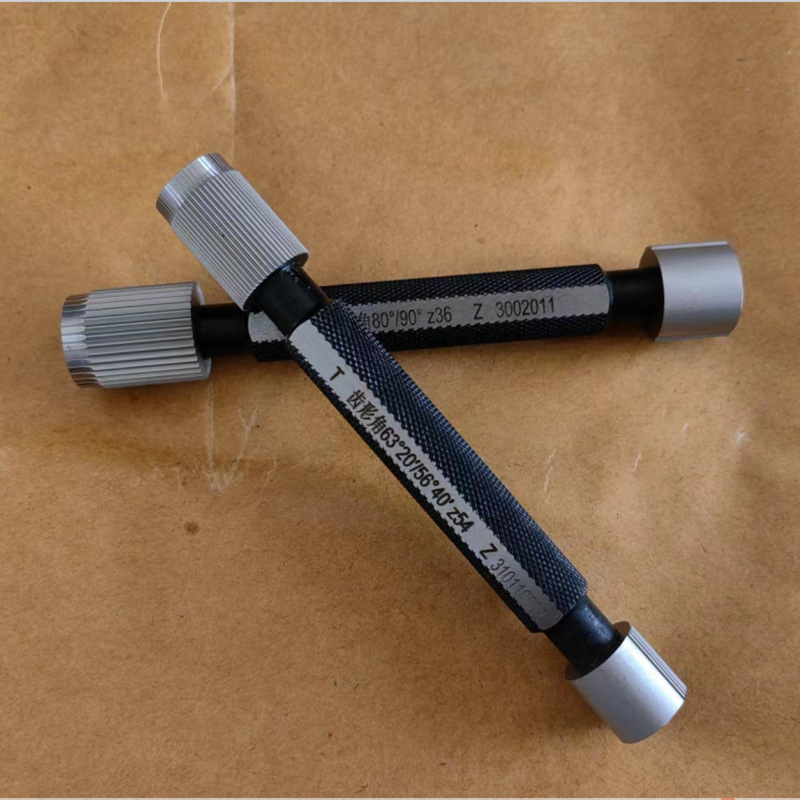
Using Ring Gauges for Precision Measurement and Quality Control in Industrial Applications
The Importance of Ring Gauges in Quality Control In the realm of manufacturing and engineering, prec
 English